How Termites Cause Structural Damage to Homes
To prevent serious structural damage caused by termites, local service providers can assess, treat, and eliminate infestations effectively.
Understanding how termites cause structural damage to homes is essential for property owners who want to protect their investments. These silent invaders can compromise the integrity of a building’s framework, often without immediate visible signs. Homeowners in the area who suspect termite activity or want to prevent future issues may find it helpful to learn about the ways termites weaken structures and the importance of professional treatment. Local contractors specializing in termite control have the experience and tools to assess damage accurately and implement effective solutions, helping to safeguard homes from costly repairs.
Exploring this topic can also highlight the practical reasons for considering termite control services. Early detection and treatment can prevent minor issues from escalating into major structural problems. Property owners who understand how termites cause damage are more likely to recognize the importance of professional intervention. Connecting with local service providers can ensure that effective, tailored solutions are available to address existing issues or establish preventative measures, giving homeowners peace of mind and protecting their homes’ long-term stability.
- Termite Inspection - homeowners noticing signs of wood damage or suspecting a termite problem can rely on local contractors to perform thorough inspections to identify the extent of termite activity and potential structural damage.
- Termite Treatment - when termites are detected, local service providers can apply targeted treatments to eliminate colonies and prevent further damage to the home's structure.
- Structural Repair - after termite damage is confirmed, local pros can assess and repair compromised wood and structural elements to restore the home's integrity.
- Preventative Barrier Installation - to protect against future termite infestations that could cause structural issues, local contractors may install physical or chemical barriers around the property.
- Damage Assessment and Consultation - homeowners concerned about how termites cause structural damage to homes can consult with local experts to evaluate existing damage and plan appropriate remediation strategies.
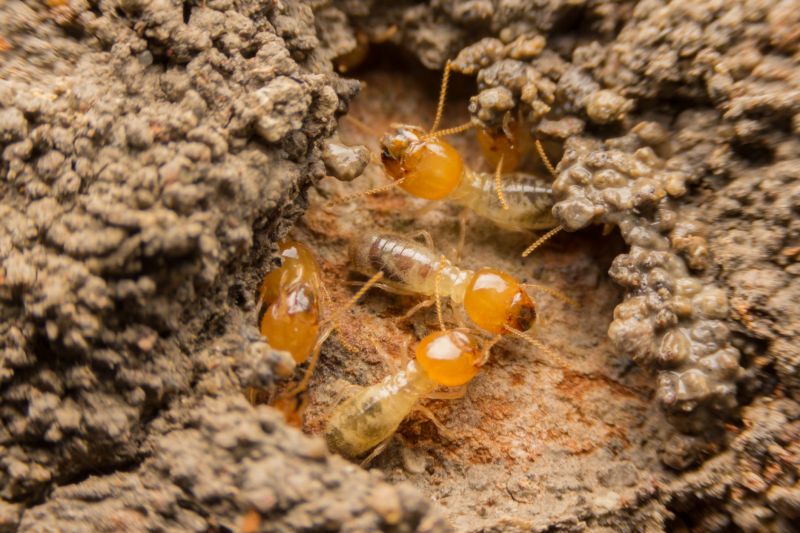
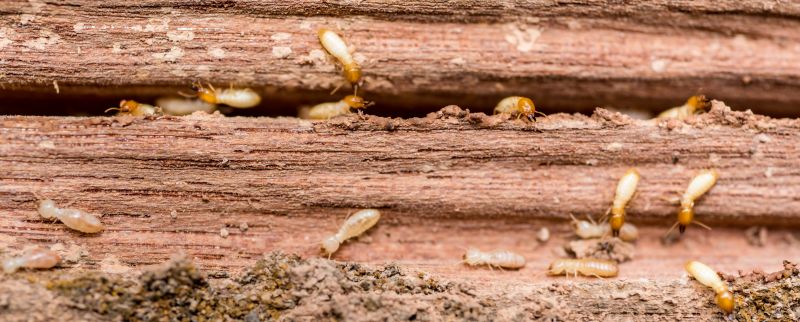
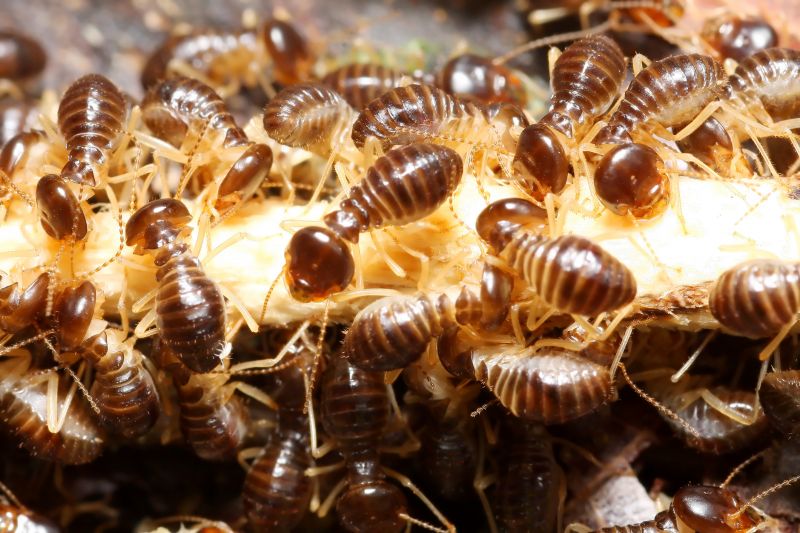
Understanding how termites cause structural damage to homes is a common concern among homeowners who want to protect their property investments. When people search for this topic, they are typically looking for information about the ways termites weaken the physical integrity of a house, often because they have noticed signs of infestation or suspect potential problems. This includes questions about how termites burrow into wood and other building materials, what parts of a home are most vulnerable, and how the damage can progress over time without visible signs. Recognizing these issues helps homeowners plan effective treatment strategies and decide when to seek assistance from local contractors specializing in termite control.
The problems related to termite damage often connect to broader plans of property maintenance, renovation, or resale. For homeowners, understanding how termites cause structural damage is crucial for safeguarding the foundation, framing, and support beams of a house. When termites tunnel through wooden elements, they create hollowed-out channels and weaken load-bearing structures, which can lead to sagging floors, cracked walls, or even partial collapses. Addressing these issues early with the help of local service providers can prevent costly repairs down the line. Homeowners may also consider incorporating termite prevention into their long-term property care plans to minimize the risk of future infestations and damage.
The types of properties most commonly affected by termite damage include single-family homes, especially those with wooden framing, basements, or crawl spaces. Homes built with traditional wood construction are particularly susceptible because termites feed on cellulose found in wood and other plant-based materials. Older houses with untreated wood or previous infestations are at an increased risk, but newer properties are not immune if preventive measures are not in place. Additionally, properties located in areas with high moisture levels or nearby wood debris tend to be more vulnerable. When signs of damage appear, local contractors experienced in termite control can assess the extent of the problem and recommend appropriate treatment options to protect the structure.
Ultimately, understanding how termites cause structural damage to homes helps homeowners make informed decisions about pest management and property upkeep. Recognizing the signs of infestation and damage can prompt timely action, which is essential for maintaining safety and value. Local service providers specializing in termite control play a key role in diagnosing issues, implementing effective treatments, and advising on preventative measures. Connecting with these professionals ensures that property owners have the support needed to address termite-related concerns and safeguard their homes against future damage.
Foundation Repair - specialists in foundation repair understand how structural issues develop, similar to how termites cause damage to homes, requiring careful planning and inspection.
Wood Rot Restoration - experts in wood rot restoration work with damaged wood structures, paralleling termite damage, and use similar tools for assessment and repair.
Pest Inspection Services - pest inspection professionals identify early signs of termite activity and related infestations that can lead to structural deterioration.
Structural Damage Assessment - contractors specializing in structural damage evaluation analyze how internal issues compromise building integrity, akin to termite-induced harm.
Dry Rot Treatment - providers of dry rot treatment address decay caused by moisture and pests, often working alongside termite control specialists to prevent further damage.
Home Inspection Services - home inspectors evaluate overall property health, including potential vulnerabilities from termite activity and structural weakening.
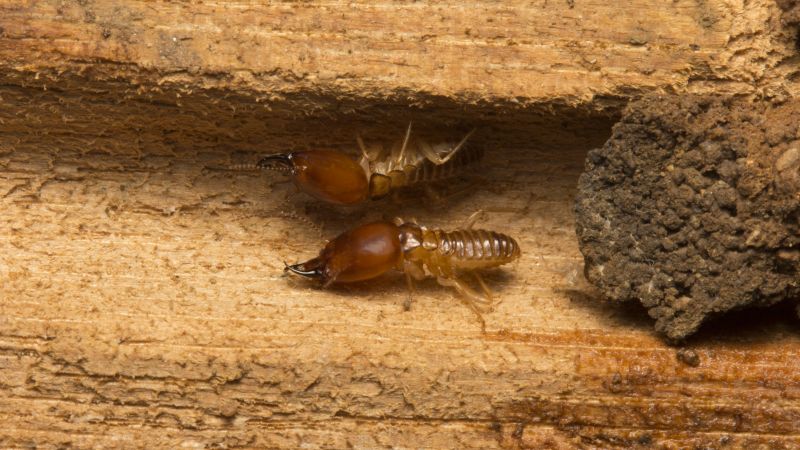
When evaluating local contractors for termite control services, it is important to consider their experience with similar projects. Homeowners should seek service providers who have a proven track record of handling termite-related issues and understanding how termites cause structural damage to homes. An experienced contractor can better assess the extent of the damage, recommend effective treatment options, and implement solutions that address both current infestations and future risks. Ensuring that a contractor has worked on properties comparable to the home in question can provide confidence that they are familiar with the specific challenges involved in termite prevention and damage repair.
Clear written expectations are essential when choosing a service provider for termite control. Homeowners should request detailed descriptions of the scope of work, including inspection procedures, treatment methods, and follow-up services. Having a comprehensive plan in writing helps prevent misunderstandings and ensures that everyone is aligned on the steps involved in protecting the home from termite damage. Transparent communication about what to expect during and after treatment can also facilitate better decision-making and allow homeowners to prepare appropriately for the process.
Reputable references and good communication are key indicators of a reliable local contractor. Homeowners are encouraged to ask for references from previous clients who had similar termite issues, as this can provide insights into the quality of work and customer satisfaction. Additionally, a service provider’s responsiveness and willingness to answer questions demonstrate their professionalism and commitment to clear communication. Choosing a contractor who is easy to reach, transparent about procedures, and attentive to homeowner concerns can lead to a smoother experience in addressing how termites cause structural damage to homes and ensuring effective control measures are in place.
Property owners often search for how termites cause structural damage to homes when they are planning practical projects around their homes and businesses. Local pros provide Termite Control services for everyday jobs and straightforward project options.
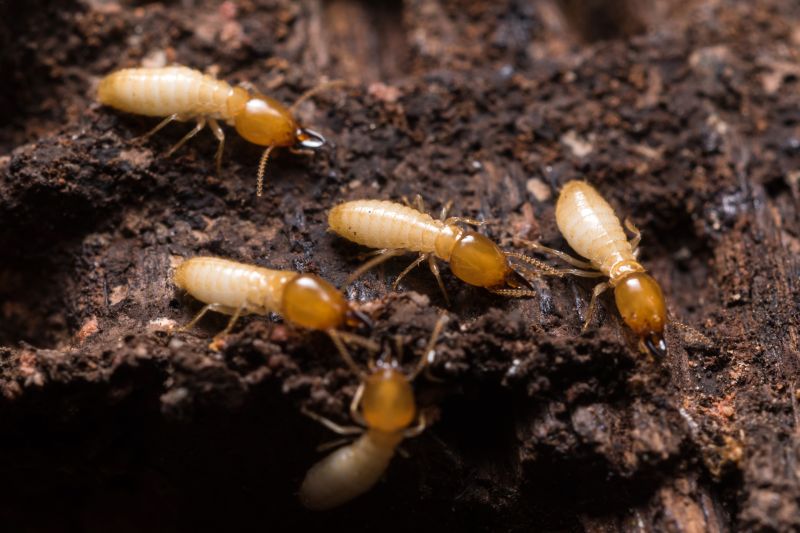
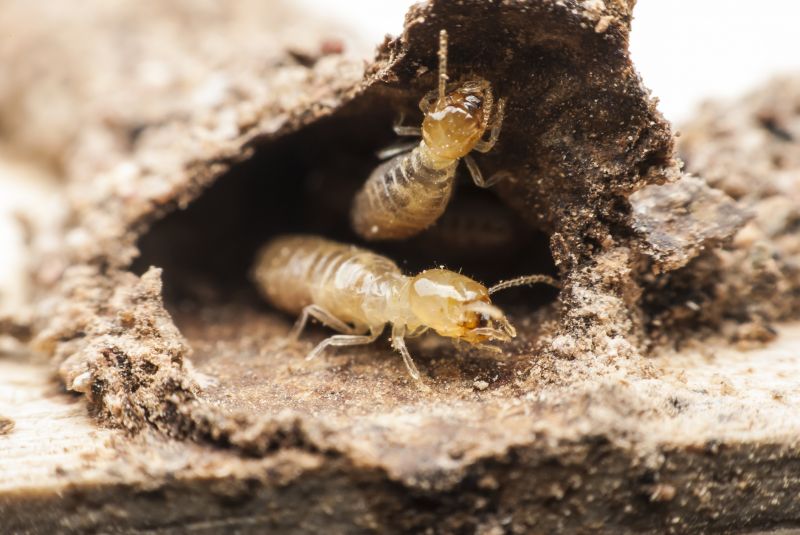
Termites are silent pests that can cause significant structural damage to homes over time. They feed on cellulose found in wood, drywall, and other building materials, often working unnoticed behind walls or beneath floors. Small signs like hollow-sounding wood, discarded wings, or tiny mud tubes can indicate their presence, but many property owners seek out information on how termites cause structural damage to homes to better understand the risks and early warning signs. When damage is left unchecked, it can weaken the integrity of a house’s framework, leading to costly repairs and safety concerns.
To prevent extensive damage, many homeowners turn to local contractors who specialize in termite control services. These service providers can assess the severity of an infestation, identify vulnerable areas, and implement effective treatment plans to eliminate termites. Regular inspections and prompt treatment from experienced local pros are essential steps in protecting a property from the destructive effects of termites and maintaining its structural stability.
How do termites cause damage to a home's structure? Termites feed on cellulose found in wood and other building materials, creating tunnels and hollowing out structural components, which weakens the integrity of walls, floors, and foundations.
What signs indicate termite-related structural damage? Indicators include hollow-sounding wood, sagging floors, cracked or buckling walls, and the presence of mud tubes along exterior or interior surfaces, which local contractors can help identify.
Can termites damage the foundation of a home? Yes, termites can tunnel into and weaken the foundation, leading to cracks and instability, which is why professional termite control services are important for early detection and treatment.
How do local service providers prevent further structural damage caused by termites? They perform thorough inspections, apply targeted treatments, and implement ongoing monitoring strategies to eliminate termite colonies and protect the home's structural integrity.
Why is professional termite control important for preventing structural damage? Professionals have the expertise and tools to effectively identify and treat termite infestations, helping to preserve the home's structural safety and prevent costly repairs.
Regular Inspections - scheduling routine inspections with local contractors can help identify early signs of termite activity before significant damage occurs.
Moisture Management - implementing proper drainage and reducing excess moisture around the foundation can make a home less attractive to termites.
Structural Assessments - having local pros evaluate existing wood and foundation integrity can reveal areas vulnerable to termite damage.
Preventative Treatments - applying barrier treatments or soil termiticides can protect a home from future termite infestations and related structural harm.
If you are thinking about how termites cause structural damage to homes for a property, this guide is meant to help you understand this topic, the typical project types, and how different options might fit your plans.
When you are ready, you can use the quote form on this page to share a few details about your project. From there, local pros can review the basics and follow up with options that match what you have in mind.